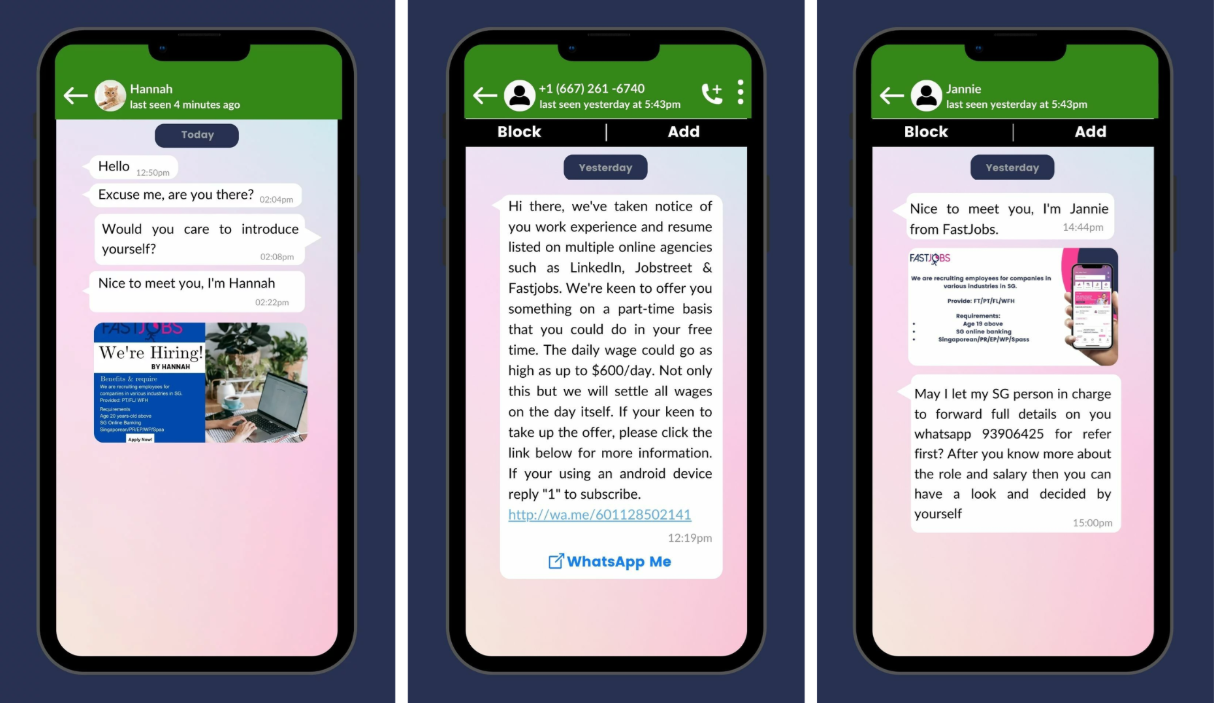
Job hunting can be a gruelling process, but it's crucial to remain vigilant and protect yourself from potential scams. Scammers are becoming increasingly sophisticated, and falling victim to their traps can have devastating consequences. Let's explore some of the most common job scams you should be aware of.
1. Unrealistic Promises and "Get Rich Quick" Schemes
Beware of job offers that seem too good to be true; these are red flags. If an employer is promising an unusually high salary, flexible working hours, or the opportunity to earn a fortune with minimal effort, it's likely a scam. Legitimate companies understand the value of their employees and offer competitive but realistic compensation packages
2. Unsolicited Job Offers

It's not unheard of for companies to reach out to potential candidates directly for more information. Be cautious of unsolicited job offers, especially if you didn't apply for the position. Scammers often use this tactic to lure unsuspecting job seekers into their schemes, tricking them into revealing sensitive personal information.
3. Unprofessional Communication and Lack of Details
Pay close attention to the language and tone used in job postings and communication. A legitimate company typically has a professional demeanour and provides detailed information about the role, responsibilities, and company background. If a job offer is riddled with grammatical errors, spelling mistakes, or vague descriptions, it's a red flag.
4. Upfront Fees, Use of own funds or "Investments"
Legitimate employers never ask for money upfront or use your own funds to complete job-related tasks. If a company requests that you pay a fee for training materials, equipment, or any other reason before starting the job or as a part of your job, it's likely a scam. They may claim that the fee is refundable or an "investment," but once you pay, you'll likely never see that money again.
5. Lack of Online Presence and Verification
In today's digital age, most legitimate companies have an online presence. Before pursuing a job opportunity, research the company thoroughly. Check for an official website, reviews, and verify their
Suruhanjaya Syarikat Malaysia (SSM) or other business registration details. If the company seems to have no online footprint or verifiable information, it is probably not registered with
Suruhanjaya Syarikat Malaysia (SSM)
What if I've already sent money to a fake job offer?
If you've already sent money, take these steps immediately to report the fraud and secure your banking details:
1. Contact the authorities (bank or, money transfer service provider, and the immediately
2. Save all messages, emails, screenshots, and transaction details. This documentation will be essential if you need to file a report or support an official investigation.
3. Check your financial accounts for suspicious activity and consider locking your credit file with the local authorities.
Lastly, don't beat yourself up
These scams are designed to trick people, and anyone can fall into their trap. What matters most right now is taking a few simple steps to protect your money and your information.
Conclusion
You've reached the end of this guide on how to spot job scams, but your journey to a legit job offer is just beginning. Stay vigilant when an unbelievable opportunity pops up in your inbox. Do your research before getting too excited about an offer. Trust your gut - if it seems sketchy, it probably is.
Head over to FastJobs to equip yourself with more tips for job searching safely so you can avoid scams. Now go dazzle that hiring manager with your talents, but don't take any bait from fraudsters along the way.